A drain that clogs once is a nuisance. A drain that clogs every few weeks is a message: something in that line never actually left. Here is where recurring clogs come from, what you can safely try yourself, and the signs that the problem is bigger than one fixture.
Why the clog keeps coming back
A plunger, and most of the tools sold next to it, do one thing well. They open a channel. Water moves again, so the job feels finished. But the buildup that caused the clog is still sitting on the pipe wall, and the channel through it is narrower than the pipe ever was. The next stringy or greasy thing that comes along has less room to pass.
That is the whole story behind most repeat clogs. The drain was opened, not cleaned. The difference matters when you decide what to do next, because more of the same treatment tends to buy shorter and shorter stretches of relief.
Where clogs start, room by room
The kitchen sink
Kitchen clogs are usually grease. It goes down as a hot liquid, coats the pipe as it cools, and hardens into a layer that catches food scraps. Rinsing with hot water moves the grease further down the line, where it cools all the same. Coffee grounds and starchy food like rice and pasta pack into this layer and speed it up.
Tubs and bathroom sinks
Bathroom clogs are hair and soap. Hair snags on the stopper mechanism and the trap bend, soap scum binds it into a mat, and the mat filters everything that follows. These clogs sit close to the fixture, which is why they respond well to simple tools.
Toilets
Toilets clog on things that do not break down: wipes sold as flushable, cotton pads, dental floss, paper towels. A toilet is also the most direct route to the main sewer line, so a toilet that keeps clogging deserves more suspicion than a slow sink.
What you can safely try at home
- Plunge properly. Use a flange plunger for toilets and a flat-cup plunger for sinks and tubs. Block the overflow opening with a wet rag, keep the cup sealed under water, and work in firm vertical strokes. Most fixture-level clogs give way to a patient minute of this.
- Hot water and dish soap, for greasy kitchen drains. A squirt of degreasing dish soap followed by a slow kettle of hot tap water can soften a young grease layer. Pour in stages, not all at once.
- A hand auger, for hair clogs within reach. A small drum auger or even a plastic barbed strip will pull a hair mat out of a tub or bathroom sink. Expect it to be unpleasant. That is normal and means it worked.
- Clean the P-trap. The curved pipe under the sink unscrews by hand or with slip-joint pliers. Put a bucket under it, back off both nuts, and tip the contents out. If the clog was in the trap, you will see it.
The one thing we ask you to think twice about is chemical drain cleaner. Caustic products generate heat that stresses older metal traps and plastic fittings, and they usually burn a channel through the clog rather than removing it. If you have already used one and the drain is still blocked, please tell whoever works on it next. The standing mixture is a hazard for the person opening the trap.
When it is bigger than one fixture
Everything above assumes the problem lives near the fixture. Some clogs do not. The branch lines from each room meet in larger pipes, and those meet in the main line that leaves the house. A blockage down there produces a different pattern, and it is worth recognizing:
- Two or more fixtures slow down or back up in the same week.
- Running one fixture pushes water up through another, like a shower drain burping when the washing machine empties.
- Drains gurgle after they finish draining.
- The lowest drain in the house, often a tub or a floor drain, backs up first.
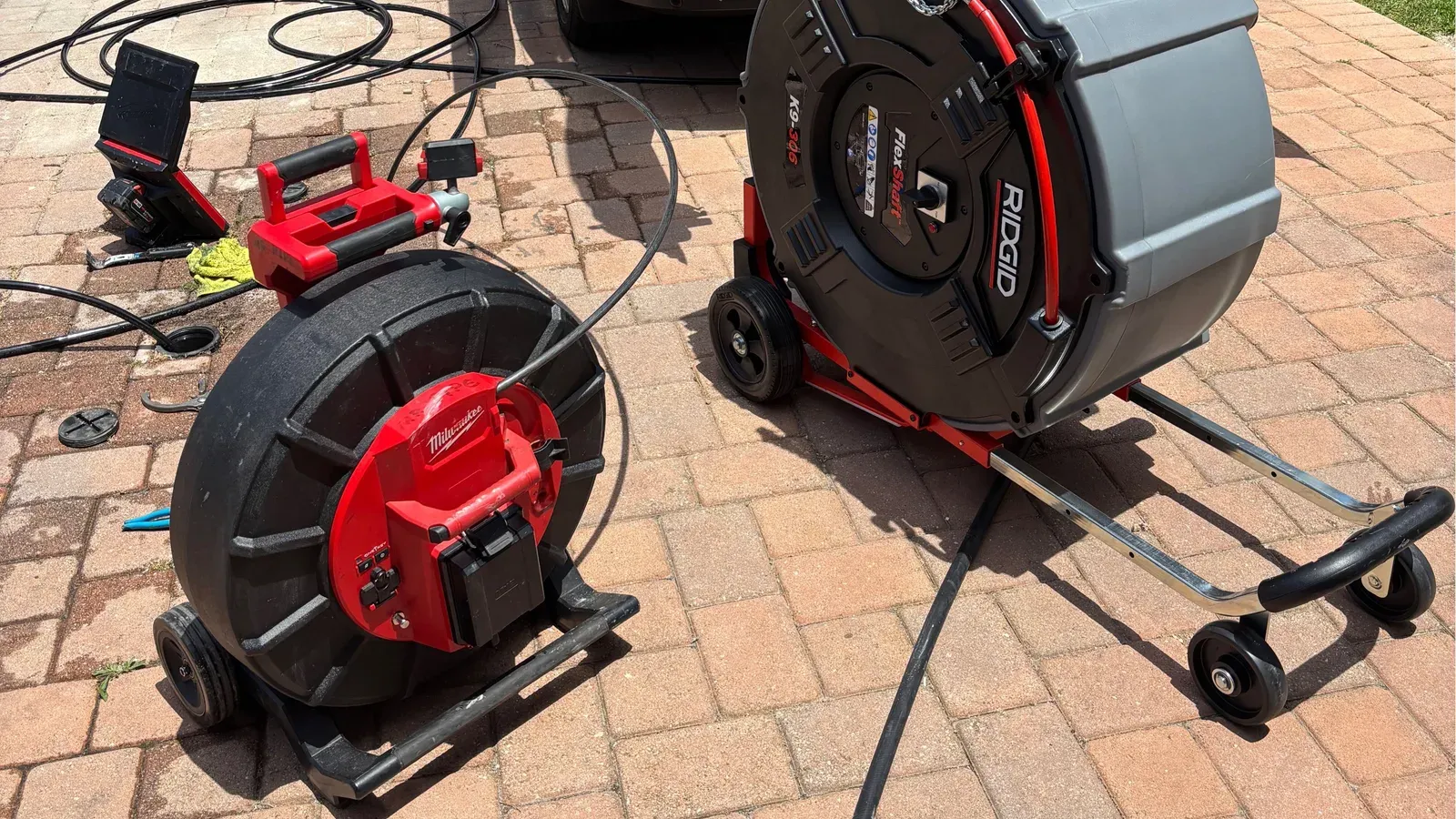
No amount of plunging at the fixture fixes a line problem, because the tool never reaches the blockage. This is the point where a professional evaluation saves you money instead of costing it.
How we can help
We clean drains for a living, and we start by working out which of the patterns above you are actually in. Our goal is to identify the cause of the problem and recommend an appropriate repair based on the plumbing condition, accessibility, and scope of work.
