
No hot water is one of those problems that stops the morning cold. Before you decide the heater is done for, a few checks are safe to make yourself, and the symptoms narrow the cause down more than most people expect. Start with the safe checks, then read what the symptoms are actually saying.
First, the checks that are safe to make
One rule before any of them: if you smell gas, skip the list. Leave the house and call the gas company from outside. Nothing on this page outranks that.
- Electric heater: check the breaker panel. A tripped water heater breaker is common and flipping it back once is reasonable. If it trips again, leave it off. A breaker that will not stay on is protecting you from something.
- Gas heater: check whether the pilot light is out, and relight it only by the manufacturer's instructions on the unit's label. If it will not stay lit, stop there. The part that senses the flame may be failing, and that is a service call.
- Both kinds: confirm the thermostat was not turned down, and look around the base and the fittings for water. Even a small puddle changes the conversation, so note where it is coming from if you can.
No hot water is a different problem than not enough
These two symptoms get lumped together, and they should not be. No hot water at all usually points at the part that makes heat: a tripped breaker or failed element on an electric unit, a pilot or gas valve issue on a gas one. The fix is often smaller than people fear.
Hot water that runs out too fast points somewhere else. Sediment settles on the bottom of a tank over the years and quietly takes up space that used to hold hot water. A failed dip tube can short-circuit the tank, mixing cold water straight into the hot outlet. And some tanks are simply undersized for the household that grew around them.
Noises and discolored water
A tank that rumbles or pops when it heats is usually boiling water through a sediment layer. It is not dangerous in itself, but it makes the unit work harder and it shortens the tank's life. Rusty or brown water on the hot side only can mean the tank's sacrificial anode is spent and the tank has started to corrode from the inside. Neither symptom says the heater dies this month. Both say it is time someone looked.
When a leak means the tank itself
Where the water shows up matters. A drip at a supply fitting or the relief valve is often a repairable connection. Water weeping from the tank body is different: the inner tank has corroded through, and there is no patching it from outside. What happens next still depends on the unit and the installation, which is why we look first. Not every water heater needs replacing, and the ones that do have usually announced it.
Tank and tankless, briefly
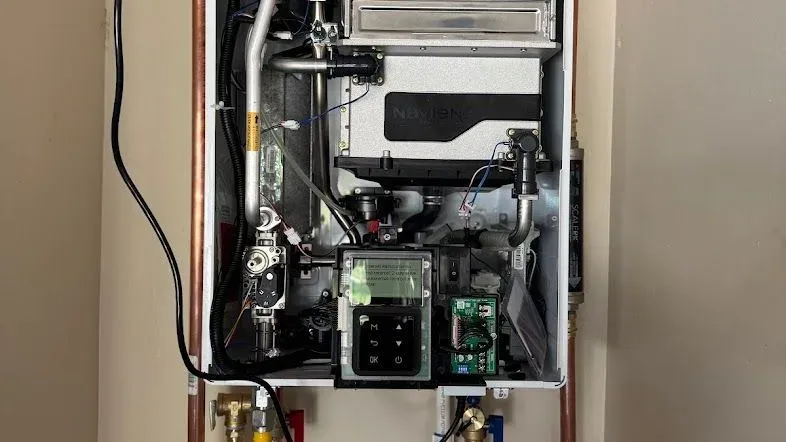
Tank heaters store hot water and are simpler to service. Tankless units heat water on demand, take less space, and want regular descaling in Los Angeles water, which runs hard. If a replacement is on the table, the right choice depends on the property's gas supply, venting, and how the household actually uses hot water. It is a sizing conversation, not a catalog choice.
How we can help
We install, diagnose, and repair tank and tankless water heaters across Los Angeles. We look at the unit and the connections around it first, then explain what we found and what we recommend.
